
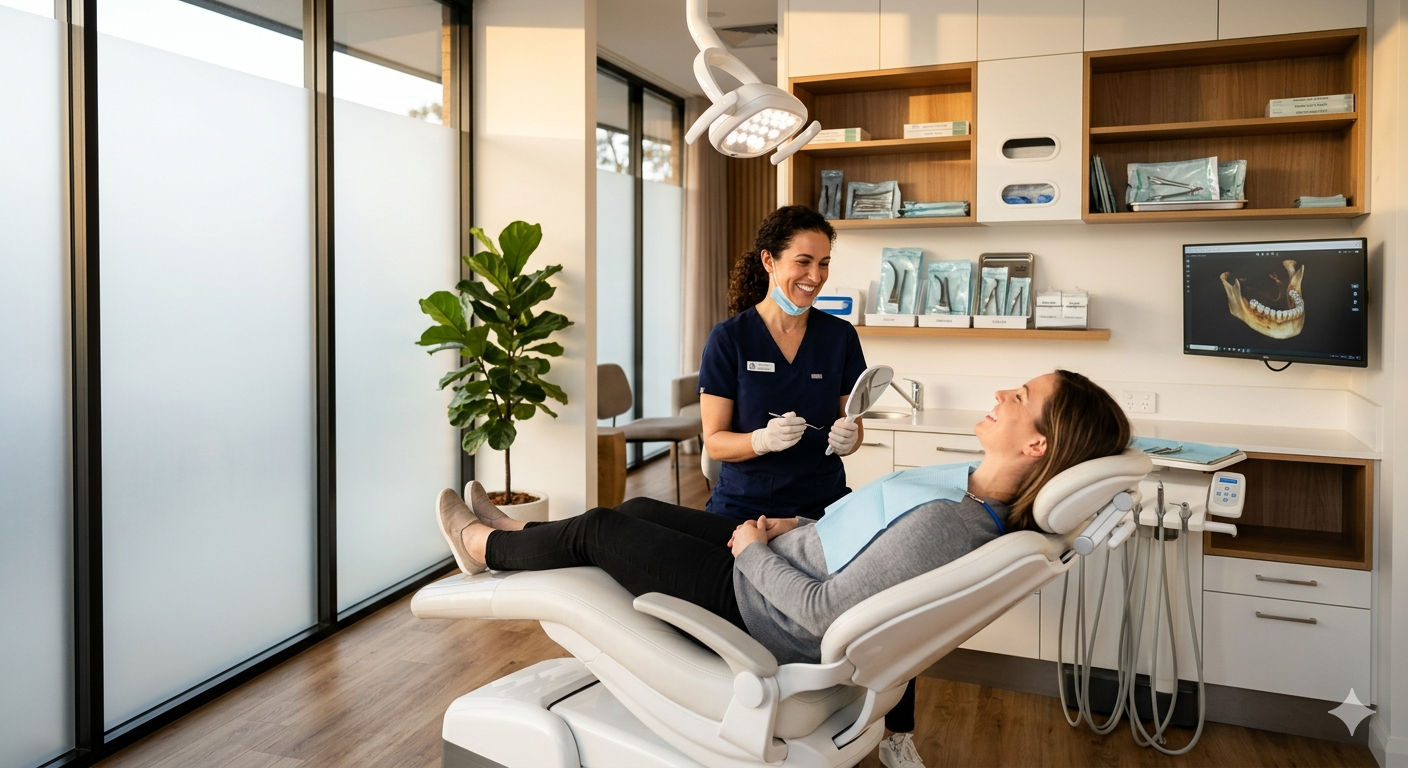
Wisdom teeth removal in Redondo Beach, CA, is a common procedure many people face in their late teens or early twenties. These third molars often cause crowding, discomfort, or other dental issues that make removal the best option for long-term oral health. Removing wisdom teeth early can prevent pain, infection, and damage to surrounding teeth.
Dentists in Redondo Beach use modern techniques to ensure the procedure is as comfortable and quick as possible. Many patients are surprised at how smooth the process can be with gentle care and effective pain management. Understanding what to expect helps ease any worries about the surgery and recovery.
If wisdom teeth are causing you trouble or your dentist has recommended removal, it’s important to seek care from a trusted local specialist. They can provide personalized advice and guide you through every step to keep your smile healthy.
Understanding Wisdom Teeth
Wisdom teeth are the last set of molars that usually appear in late adolescence or early adulthood. They can sometimes fit comfortably, but often their growth creates issues needing attention.
What Are Wisdom Teeth?
Wisdom teeth, also known as third molars, typically emerge between the ages of 17 and 25. Most adults have four wisdom teeth, one in each corner of the mouth. These teeth were useful for our ancestors who had larger jaws and needed extra chewing power.
Today, many people have smaller jaws, which means wisdom teeth often do not have enough space to emerge properly. This can lead to crowded teeth or partial eruptions where only part of the tooth breaks through the gum.
Why Do Wisdom Teeth Cause Problems?
Many problems arise because wisdom teeth can become impacted, meaning they get stuck under the gum or bone. This happens when there isn’t enough room for them to grow in a straight line.
Impacted wisdom teeth can press against neighboring teeth, causing pain or shifting the alignment of other teeth. They can also trap food and bacteria, increasing the risk of infection or gum disease.
Sometimes wisdom teeth create cysts or damage the roots of nearby teeth, making removal necessary to protect overall dental health.
Common Symptoms of Impacted Wisdom Teeth
Impacted wisdom teeth often cause discomfort or pain at the back of the mouth. This pain can be constant or occur only when chewing. Other signs include swollen, tender gums near the tooth.
Some people experience headaches or jaw stiffness as a result of wisdom tooth pressure. Bad breath or an unpleasant taste can indicate infection around a partially erupted tooth.
If swelling or difficulty opening the mouth is noticeable, these are signs that professional evaluation is needed promptly to avoid further complications.
When Is Wisdom Teeth Removal Needed?
Knowing the right time for wisdom teeth removal helps prevent pain, infection, and more complex dental issues. Waiting too long can increase risks, but early evaluation can make the process smoother and safer.
Recognizing the Right Time for Extraction
Wisdom teeth often need removal when they cause pain, crowd nearby teeth, or become impacted. Impacted teeth are trapped beneath the gums, which can lead to swelling or infection. Dentists also recommend removal if wisdom teeth grow at awkward angles or damage adjacent teeth.
Sometimes, wisdom teeth don’t cause immediate problems but can push other teeth out of alignment. Regular dental check-ups with X-rays help spot trouble before symptoms start. Extraction timing varies but usually occurs in late teens to early twenties when roots are still forming.
Risks of Delaying Removal
Delaying wisdom teeth removal increases the chance of painful infections, cysts, or damage to neighboring teeth. Impacted teeth can cause gum disease or decay because they are hard to clean properly. Over time, removal might be more complex, with longer recovery or higher complication risks.
Waiting too long also raises the chance of crowding or shifting teeth, which can affect bite and require orthodontic treatment. Early removal is usually simpler and less traumatic because younger bone and tissues heal faster.
Benefits of Early Evaluation
Early evaluation lets dentists monitor wisdom teeth development and plan removal if needed before problems develop. It offers a chance to discuss sedation or pain management options, helping reduce anxiety about the procedure.
Regular visits allow patient and dental team to make informed decisions tailored to individual needs. Identifying potential issues early can save time, discomfort, and money by avoiding emergency procedures or infections later on.
The Wisdom Teeth Removal Procedure
Wisdom teeth removal involves careful planning, precise steps during surgery, and choices to keep patients comfortable. Knowing what happens before, during, and how anesthesia works helps ease worries about the process.
What to Expect Before Surgery
Before the surgery, the dentist or oral surgeon will review X-rays to assess wisdom teeth position and plan the extraction. Patients might be asked about health history and medications to ensure safety during the procedure.
It’s important to arrange transportation since driving afterward, especially with sedation, is not advised. Instructions usually include not eating or drinking for several hours before surgery. Wearing comfortable clothing and bringing a list of questions can make the appointment smoother and less stressful.
Step-by-Step Look at the Extraction Process
First, the patient receives anesthesia to numb the area or to relax them completely. The surgeon makes a small incision in the gum if the tooth is impacted. Then, the tooth may be removed whole or in pieces to protect surrounding bone.
After extraction, the wound is cleaned and sometimes stitched to promote healing. A gauze pad is placed to control bleeding. The entire procedure typically lasts 30 to 60 minutes, depending on complexity.
Your Comfort and Anesthesia Options
Comfort is a priority throughout the process. Local anesthesia numbs just the area around the tooth, while sedation options range from mild oral sedatives to intravenous sedation for deeper relaxation.
Patients also have the option of general anesthesia in certain cases. The dental team monitors vital signs closely to ensure safety. After surgery, pain relief and care instructions help manage soreness and swelling, making recovery as smooth as possible.
Preparing for Your Appointment
Getting ready for a wisdom teeth removal appointment involves clear communication, practical preparation, and planning for recovery. This ensures the process goes smoothly and minimizes stress before and after the procedure.
Questions to Ask Your Dentist
Patients should ask about the exact extraction method planned—whether it’s simple removal or requires surgery. It’s important to understand the anesthesia options: local, sedation, or general anesthesia. Asking about risks and potential complications helps set realistic expectations.
Inquire about recovery time and any activity restrictions post-surgery. Knowing when to resume eating, drinking, and normal activities supports a better healing process. Finally, clarifying insurance coverage and payment options avoids surprises.
How to Get Ready the Day Before
The night before surgery, patients should avoid alcohol and smoking, as these can interfere with healing and anesthesia. Eating a light meal early in the evening is advisable unless fasting is required by the dentist.
They should confirm transportation arrangements, since driving after sedation is unsafe. Preparing a calm, comfortable space at home for rest right after the appointment promotes healing. Follow any specific instructions given by the dental office regarding medications or fasting.
Items to Bring and Arrange for Recovery
Bring a list of current medications and any prescribed antibiotics or painkillers to the appointment. Having a headband or extra ice packs ready for swelling control can be helpful. Comfortable clothing that doesn’t irritate the mouth or surgery area is best.
It’s also wise to arrange for someone to stay with them for at least 24 hours after the procedure. Stocking soft foods like yogurt, applesauce, and smoothies before surgery prevents last-minute grocery trips. Finally, having salt and a rinse recommended by the dentist assists with gentle mouth cleaning after surgery.
Aftercare and Recovery Tips
Proper care after wisdom teeth removal helps reduce discomfort and speeds healing. Paying close attention to swelling, diet, and symptoms to watch for makes the recovery smoother and safer.
Managing Discomfort and Swelling
After surgery, it’s common to experience swelling and some pain. Applying an ice pack to the cheek for 15 minutes on and 15 minutes off during the first 24 hours can help reduce swelling. Prescription or over-the-counter pain medication should be taken as directed to manage discomfort.
Keeping the head elevated, especially while sleeping, minimizes swelling and bleeding. Avoid using straws or spitting forcefully for the first few days to prevent dislodging the blood clot, which can cause dry socket.
Recommended Diet and Activities
For the first 24 to 48 hours, sticking to soft foods like yogurt, mashed potatoes, and smoothies is important. Avoid hard, crunchy, or spicy foods that may irritate the surgical site. Drinking plenty of water helps keep the mouth clean, but avoid hot beverages.
Rest is key. Patients should avoid strenuous exercise and heavy lifting for at least a week. Gentle walking is encouraged to promote circulation, but activities that increase blood pressure may lead to bleeding and slow healing.
Warning Signs to Watch For
Some symptoms require prompt dental attention. Continuous bleeding that soaks through gauze after several hours should not be ignored. Severe pain that doesn’t improve with medication might indicate dry socket or infection.
Other warning signs include high fever, swelling that worsens after 3 days, pus or foul odor from the wound, and difficulty opening the mouth. Contact the dental office immediately if any of these occur to prevent complications.
Why Choose a Local Redondo Beach Dentist?
Choosing a local dentist means easier scheduling, quicker emergency care, and a provider who understands the community’s specific needs. Patients benefit from a familiar setting that feels comfortable and convenient. The right dentist in Redondo Beach offers a blend of skilled treatment and personal attention tailored to each individual.
Personalized Care Close to Home
Seeing a dentist nearby means appointments fit more easily into daily life, reducing stress over travel or time off. A Redondo Beach dentist often builds relationships with patients over time, remembering their history and preferences. This familiarity helps in customizing treatment plans that suit each patient’s unique health and lifestyle.
Local dentists also tend to have a better grasp of common dental concerns in the area, including diet or environmental factors that might affect oral health. Patients can expect to feel at ease asking questions and discussing any worries, knowing they’ll receive thoughtful, tailored advice.
Expertise in Gentle Extractions
Wisdom teeth removal can sound intimidating, but experienced Redondo Beach dentists focus on minimizing discomfort. They use techniques developed over years to ensure the procedure is as smooth and pain-free as possible. Their expertise helps avoid common complications like excessive swelling or prolonged recovery.
These dentists often provide detailed pre- and post-extraction instructions, helping patients prepare properly and heal faster. Their hands-on experience with local patients means they understand how to tailor pain management and care plans to suit individual needs, promoting a gentle and respectful treatment experience.
Modern Technology and Patient Comfort
Local Redondo Beach dental offices invest in up-to-date technology to improve diagnosis and streamline wisdom teeth removal. Tools like digital X-rays and 3D imaging allow for precise planning, reducing surprises during surgery. This precision supports quicker healing and fewer postoperative issues.
Patient comfort is a priority at these clinics. Sedation options and ergonomic treatment rooms create a calmer environment, easing anxiety. Many practices incorporate pain control methods and distraction techniques, making visits feel less clinical and more supportive. This focus on comfort encourages patients to prioritize their dental health without hesitation.
Long-Term Oral Health and Wellness
Removing wisdom teeth in Redondo Beach, CA, can improve long-term oral health by addressing potential complications early. Proper care after extraction promotes healthier gums and teeth, reducing the risk of future dental problems.
Preventing Future Dental Issues
Wisdom teeth often cause overcrowding, which can misalign other teeth. Removing them prevents this pressure, helping maintain a straighter smile without additional orthodontic treatment.
Impacted wisdom teeth are also prone to infection, cysts, or decay. Extracting them lowers the chance of these issues developing later, which can be more complicated to treat.
Regular dental check-ups after removal help monitor healing and catch any emerging concerns quickly. This ongoing care supports strong oral health and avoids costly repairs.
Maintaining Healthy Gums and Teeth
Wisdom tooth removal makes daily oral hygiene simpler by eliminating hard-to-reach back molars where plaque accumulates. This reduces gum inflammation and the risk of periodontal disease.
After extraction, it’s important to follow care instructions closely, including gentle brushing near the site and avoiding irritants. Keeping gums clean supports faster healing and long-lasting tissue health.
Switching to a diet low in sugar and acidic foods post-removal benefits your whole mouth. Strong teeth and healthy gums depend on consistent, mindful habits after the procedure.
Next Steps: Your Journey to a Healthier Smile
Once the decision for wisdom teeth removal is made, scheduling a consultation with a trusted Redondo Beach dental specialist is the first step. During this visit, the dentist will review X-rays, discuss the procedure, and address any concerns.
Preparing for the surgery is straightforward. Patients should arrange transportation after the procedure, follow pre-op instructions closely, and plan some downtime for recovery. Comfort is a priority, so modern techniques minimize pain and speed healing.
After removal, proper aftercare is essential. This involves managing swelling with ice packs, sticking to soft foods, and keeping the mouth clean without disturbing healing areas. The dental team will provide clear guidelines to ensure smooth recovery.
| What to Expect After Surgery | Tips for Recovery |
|---|---|
| Mild swelling and discomfort | Use ice packs intermittently |
| Soft-food diet recommended | Avoid straws and vigorous rinsing |
| Follow-up appointment scheduled | Take prescribed medications on time |
Encouraging patients to ask questions and voice concerns helps build confidence. The dental team in Redondo Beach is there to support every step toward a pain-free, healthier smile. A simple consultation can set things in motion and bring peace of mind.
Frequently Asked Questions
Wisdom teeth removal involves important decisions about timing, comfort, and recovery. Understanding when removal is needed, what to expect during consultation, sedation options, costs, and recovery helps patients feel more confident and prepared.
How do I know if my wisdom teeth need to be removed, even if they aren’t hurting yet?
Dentists often recommend removal if wisdom teeth are impacted or causing crowding, even without pain. X-rays reveal positioning, potential infection risks, or damage to nearby teeth. Early removal can prevent future problems.
What can I expect during the consultation and imaging before oral surgery?
During consultation, the dentist reviews your dental history and examines your mouth. X-rays or 3D scans show the exact placement of wisdom teeth. This helps plan the safest and most effective approach to surgery.
What sedation options are available, and how do I choose the one that’s right for me?
Common sedation options include local anesthesia, nitrous oxide (laughing gas), oral sedatives, and IV sedation. The choice depends on anxiety levels, medical history, and the complexity of extraction. The dental team will recommend what suits each patient best.
How much does wisdom teeth removal typically cost in California, and what affects the price?
Wisdom teeth removal costs in California usually range from $200 to $800 per tooth. Factors affecting price include the procedure’s complexity, sedation type, and dental office location. Insurance coverage varies, so checking benefits is important.
What does a normal recovery look like, and how can I prevent dry socket?
Recovery typically involves swelling, mild pain, and some bleeding for a few days. To prevent dry socket, avoid smoking, use a gentle rinse, and follow all care instructions. Most patients heal fully within one to two weeks.
How soon after wisdom teeth removal can I start (or restart) braces or Invisalign treatment?
Braces or Invisalign can usually start or resume about two to three weeks after extraction. This allows enough time for initial healing. The orthodontist will coordinate timing to ensure comfort and effectiveness.