
A straighter smile can make brushing easier, improve confidence, and help the teeth fit together more comfortably. However, many adults and teens hesitate to pursue orthodontic treatment because they do not want noticeable metal brackets and wires.
Invisalign offers a more discreet alternative. The system uses a series of clear, removable aligners designed to move teeth gradually according to a dentist-supervised treatment plan. For patients considering Invisalign in Redondo Beach, CA, understanding the process can make the decision feel much more manageable.
This article is for general educational purposes and does not replace an examination or personalized advice from a dentist. A dental professional should evaluate whether Invisalign is appropriate for an individual’s teeth, gums, bite, and overall oral health.
What Is Invisalign?
Invisalign is an orthodontic treatment that replaces fixed brackets and wires with customized clear aligners. Each aligner applies controlled pressure to selected teeth. Patients progress through the aligner series as directed, allowing the teeth to move toward their planned positions.
The aligners are made to fit closely over the teeth, so they tend to be less noticeable during everyday conversations and photographs. They are also removable for meals, brushing, and flossing. That flexibility is one of the main reasons clear aligners appeal to busy professionals, students, parents, and anyone who prefers a low-profile treatment option.
Removability does not mean the aligners are optional throughout the day. Consistent wear is essential. Patients should follow their dentist’s instructions about when to wear each aligner, when to change to the next one, and when to schedule progress checks.
What Dental Concerns Can Invisalign Address?
Clear aligners may be considered for a variety of orthodontic concerns, including:
- Crowded or overlapping teeth
- Spaces between teeth
- Teeth that appear rotated or out of line
- Certain overbite, underbite, crossbite, and open-bite patterns
- Teeth that have shifted after previous orthodontic treatment
Not every concern can be treated in the same way. The complexity of tooth movement, the condition of the gums and supporting bone, and the patient’s ability to wear the aligners consistently all affect candidacy. Some people may benefit from traditional braces or another orthodontic approach instead.
Healthy Teeth and Gums Come First
Before beginning clear aligner treatment, a dentist generally checks for untreated cavities, gum inflammation, damaged restorations, and other oral health concerns. Moving teeth in an unhealthy mouth may complicate care, so preventive or restorative treatment may need to happen first.
This is one advantage of receiving aligner care through a dental practice that also provides general dentistry. The dental team can consider orthodontic goals alongside cleanings, gum health, fillings, crowns, and long-term maintenance.
What Happens During an Invisalign Consultation?
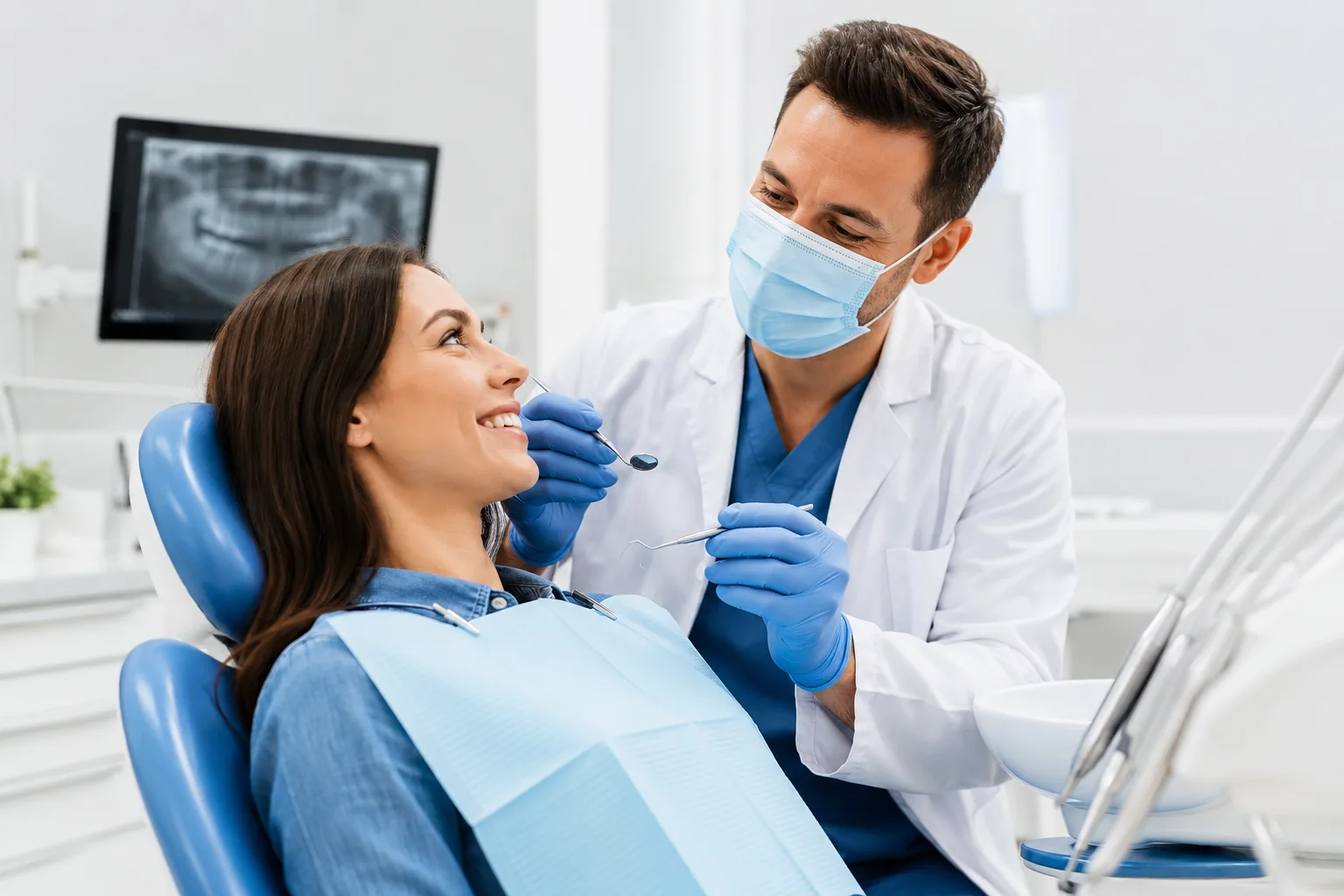
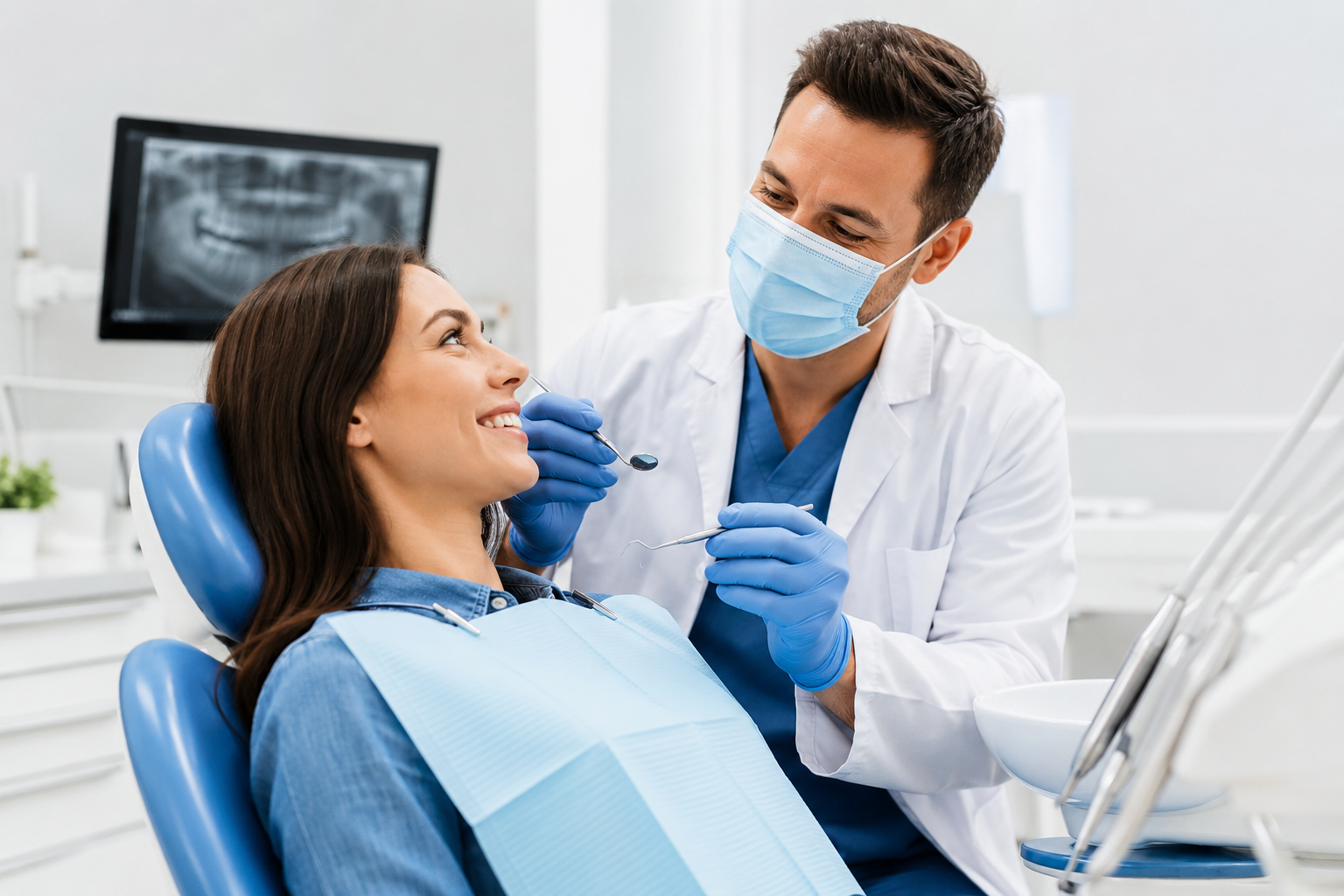
An Invisalign consultation is an opportunity to discuss what you would like to change and find out whether clear aligners are a realistic option. The dentist will usually examine the teeth and bite, review relevant dental history, and collect the records needed to evaluate tooth position.
Digital scans, photographs, and dental X-rays may be recommended depending on the patient’s needs. These records help the dentist look beyond the visible front teeth and consider the roots, jaw relationships, existing dental work, and supporting structures.
If Invisalign is suitable, the dentist develops a customized plan that maps out intended tooth movements. The consultation should also cover:
- The main goals and limitations of treatment
- How aligners should be worn and cared for
- Whether tooth-colored attachments may be needed
- How often progress will be monitored
- The estimated treatment fee and payment options
- The role of retainers after active treatment
Patients should feel comfortable asking questions. A good consultation is not simply a sales presentation; it is a clinical conversation about oral health, expectations, responsibilities, and available alternatives.
What Is Daily Life With Clear Aligners Like?
Invisalign is designed to fit into everyday routines, but it still requires commitment. The aligners should be worn according to the dentist’s directions and removed when eating or drinking anything that the dental team advises against having with them in place.
Eating and Drinking
Because the aligners are removable, there are usually fewer food restrictions than with fixed braces. Patients can take the trays out for meals rather than avoiding every crunchy or sticky food throughout treatment.
Before putting the aligners back in, it is helpful to clean the teeth and remove trapped food whenever possible. Wearing trays over food debris or sugary residue can create an unhealthy environment around the teeth.
Brushing, Flossing, and Aligner Care
Patients should continue brushing and cleaning between their teeth carefully. Aligners also need routine cleaning using the method recommended by the dental team. Very hot water should be avoided because excessive heat may distort the material and affect the fit.
When the aligners are not being worn, they should be stored in their case. Wrapping them in a napkin is a common way for trays to be accidentally discarded at a restaurant or cafeteria.
Comfort and Speech
A feeling of pressure can occur when starting a new aligner because the tray is designed to guide tooth movement. Some patients also notice minor irritation or a temporary change in speech while becoming accustomed to the fit.
Persistent pain, sharp edges, significant irritation, or an aligner that no longer fits properly should be reported to the treating dentist. Patients should not force a poorly fitting tray or skip ahead without professional guidance.
Invisalign Attachments, Refinements, and Retainers
Clear aligner treatment may involve more than a set of transparent trays. Small tooth-colored shapes called attachments may be placed on selected teeth. These give the aligners additional grip for certain planned movements. Although attachments can make the trays slightly more noticeable, they are typically designed to blend with the tooth surface.
Sometimes the initial aligner series does not complete every planned movement. The dentist may take updated records and order additional aligners, often called refinements. Needing a refinement does not automatically mean treatment has failed; it may be part of adjusting the plan based on how the teeth respond.
After active tooth movement is complete, retainers help maintain the new positions. Teeth can shift over time, so retainer wear is an important part of protecting the result. The dentist will provide instructions based on the individual case.
How Much Does Invisalign Cost in Redondo Beach?
There is no single fee that applies to every patient. Invisalign cost in Redondo Beach can vary based on the complexity of the bite, the amount of movement needed, the number of aligners involved, the expected level of monitoring, and whether additional procedures are necessary.
Dental insurance may contribute when a plan includes orthodontic benefits, but coverage, age limits, deductibles, and maximums vary. Flexible spending or health savings accounts may also be useful when permitted by the patient’s plan. Some dental offices offer payment arrangements to divide the cost into more manageable installments.
When comparing estimates, patients should ask what the quoted fee includes. Useful questions include whether records, office visits, replacement aligners, refinements, and retainers are included. A lower initial figure may not represent the complete cost of care.
Invisalign or Traditional Braces: Which Is Better?
Neither option is automatically better for everyone. Invisalign offers a discreet appearance, removable trays, and easier access for brushing and flossing. It may be especially appealing to people who are prepared to follow a consistent wear routine.
Traditional braces remain valuable because they stay attached to the teeth and can give the clinician direct control over a wide range of movements. They may be recommended for certain complex cases or for patients who are unlikely to wear removable aligners as prescribed.
The best choice depends on the bite, treatment goals, lifestyle, oral health, and professional assessment—not appearance alone.
Choosing an Invisalign Dentist in Redondo Beach, CA
A clear aligner provider should offer more than a digital scan and a box of trays. Orthodontic treatment changes the position of teeth and affects the way the bite comes together, so professional planning and follow-up matter.
When choosing a provider, patients may want to ask:
- Who plans and monitors the case?
- How will bite changes and gum health be evaluated?
- What happens if an aligner is lost or stops fitting?
- Are in-person progress visits part of the plan?
- What services are included in the total fee?
- What type of retention plan follows treatment?
Catalina Dental provides orthodontic care, including braces and aligners, alongside general dental services in Redondo Beach, CA. This coordinated approach allows the dental team to consider smile alignment as part of the patient’s broader oral health.
Frequently Asked Questions About Invisalign
Is Invisalign only for adults?
No. Clear aligners may be appropriate for some teens as well as adults. Suitability depends on dental development, treatment needs, and the patient’s ability to wear and care for the trays responsibly.
Can a patient eat while wearing Invisalign?
Patients are generally instructed to remove aligners for meals. The treating dentist will provide specific guidance about drinking and when the trays should be taken out.
Will Invisalign affect speech?
Some people notice a temporary difference in speech when they first begin wearing aligners. If a speech change continues or the trays feel loose, the dental team should check the fit.
What happens if an aligner is lost?
The dental office should be contacted promptly. Depending on the treatment stage, the dentist may recommend using a previous tray, moving forward, or ordering a replacement. Patients should not make that decision without guidance.
Can Invisalign work with crowns, fillings, or dental implants?
Existing dental work does not always rule out clear aligners, but it can affect treatment planning. Crowns and fillings may influence attachment placement, while dental implants do not move like natural teeth. A clinical examination and appropriate imaging are needed to design a safe, realistic plan.
How long does Invisalign treatment take?
Treatment length varies considerably. Minor alignment needs may require less treatment than complex crowding or bite correction. The dentist can provide an individualized estimate after examining the teeth and preparing the proposed plan.
Take the Next Step Toward a Straighter Smile
Invisalign can provide a convenient and discreet path toward straighter teeth, but successful treatment begins with a careful evaluation. The right plan should account for the bite, gum health, existing dental work, daily habits, and long-term retention—not just the appearance of the front teeth.
Patients interested in Invisalign in Redondo Beach, CA can contact Catalina Dental to request a consultation. Bringing questions, insurance information, and clear smile goals to the visit can help make the conversation productive and reassuring.