
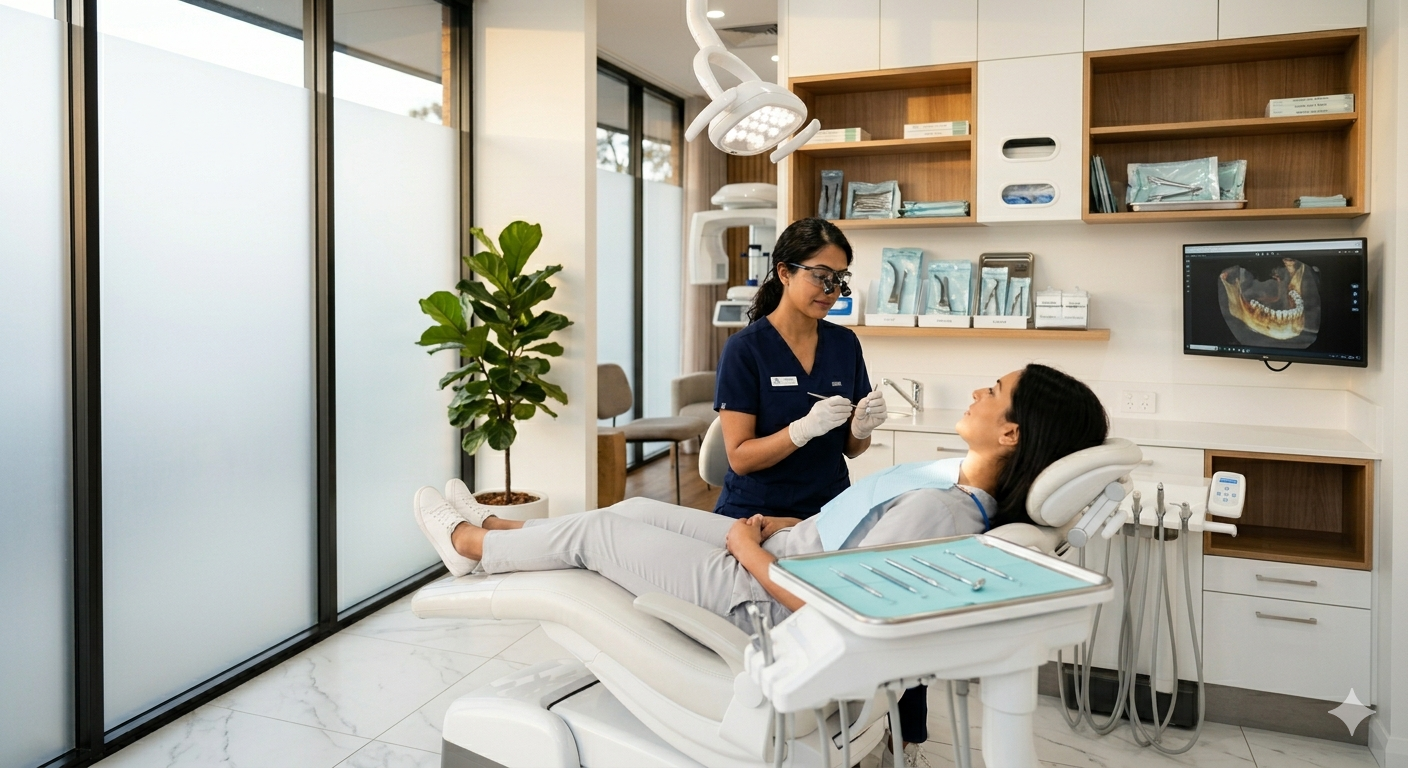
When a dental emergency strikes in Redondo Beach, quick and reliable care is essential to ease pain and prevent further damage. Whether it’s a sudden toothache, a broken crown, or a knocked-out tooth, knowing where to turn can make all the difference. Emergency dental care in Redondo Beach is designed to provide fast, effective treatment that prioritizes comfort and long-term health.
Local dentists offer services that address a wide range of urgent issues using modern technology and gentle techniques. This means patients can expect not only relief but also personalized care that fits their unique needs. It’s about more than just fixing a problem; it’s about restoring confidence and keeping smiles healthy.
Understanding when to seek emergency care and what to expect during a visit helps reduce anxiety and prepares patients for the best possible outcome. Encouraging readers to reach out early can save their smile and prevent complications down the road.
What Qualifies as a Dental Emergency
Knowing when a dental issue requires urgent care can protect a tooth from permanent damage and relieve intense pain quickly. Not all dental problems need immediate attention, but certain symptoms and injuries should never be ignored.
Identifying Urgent Dental Symptoms
Urgent dental symptoms include severe tooth pain that does not improve with over-the-counter painkillers or worsens at night. Swelling in the gums, face, or jaw can signal an infection needing prompt treatment.
Other warning signs are uncontrolled bleeding after an injury, a sudden loose or knocked-out tooth, and signs of abscess like fever or a bad taste in the mouth. If a patient experiences numbness, difficulty breathing, or swallowing, these are critical issues demanding immediate care.
Types of Dental Injuries
Common dental injuries requiring emergency care include:
- Knocked-out teeth: Immediate action can save the tooth if it is replanted quickly.
- Cracked or fractured teeth: Even small cracks can cause severe pain or infection if untreated.
- Lost fillings or crowns: While not always painful, these can expose nerves or allow decay to worsen.
Injuries from sports or accidents often need an exam and sometimes X-rays to determine damage and the best treatment, such as bonding, root canal, or extraction.
When to Seek Immediate Help
Patients should contact emergency dental care right away if pain is intense and persistent, swelling is growing, or bleeding won’t stop after 15 minutes. Sudden tooth loss or when a tooth is loose following trauma also needs quick intervention.
If signs of infection appear—like fever, swelling spreading toward the neck, or difficulty opening the mouth—these may indicate a serious condition needing urgent antibiotics or drainage. Waiting can lead to complications, so early professional care is crucial for the best outcome.
Steps to Take During a Dental Crisis
Knowing how to react immediately in a dental emergency can reduce pain and improve outcomes. Quick, calm actions like controlling bleeding, protecting damaged teeth, and managing pain offer a real difference before professional care is available.
First Aid for Toothaches and Broken Teeth
For toothaches, rinsing the mouth with warm salt water helps reduce inflammation. Avoid placing aspirin directly on the gum or tooth, as this can cause burns. Over-the-counter pain relievers like ibuprofen can be taken to manage discomfort.
If a tooth breaks, save any pieces and rinse them gently with water. Avoid using harsh chemicals or scrubbing the fragments. Cover sharp edges with dental wax or sugarless gum to prevent injury inside the mouth.
Applying a cold compress to the outside of the cheek reduces swelling and numbs pain. It’s important to seek dental care quickly to evaluate damage and prevent infection.
How to Handle a Knocked-Out Tooth
Time is crucial when a tooth is knocked out. Find the tooth and handle it carefully by the crown, not the root, to prevent damage to the cells needed for reattachment.
Rinse the tooth gently with milk or saline if it’s dirty. Avoid scrubbing or using soap. If possible, try to place the tooth back into the socket and hold it in place by biting down gently on a clean cloth.
If reinserting the tooth isn’t possible, store it in a container of milk, saline, or the person’s saliva. Keep it cool and go to the dentist immediately, ideally within 30 minutes, for the best chance of saving the tooth.
Tips for Managing Bleeding or Swelling
To control bleeding, apply firm pressure using a clean gauze pad or cloth directly on the wound. Maintain pressure for at least 15 minutes without checking constantly.
If bleeding persists beyond 20 minutes or is heavy, seek emergency dental care immediately. Avoid rinsing the mouth vigorously as it can restart bleeding.
For swelling, cold compresses applied to the outside of the cheek can help reduce inflammation and ease pain. Use the compress for 15-minute intervals with breaks to prevent skin damage.
Elevate the head when resting to minimize swelling and throbbing. Drinking plenty of water and avoiding hot or spicy foods will also help during recovery.
Modern Emergency Dental Treatments
Emergency dental care in Redondo Beach uses advanced methods to quickly relieve pain and restore damaged teeth. Treatments focus on comfort, speed, and lasting results to get patients back to normal as soon as possible.
Pain Relief Options
Pain management is the first priority when a patient arrives with a dental emergency. Dentists typically start with local anesthesia to numb the affected area immediately. This helps patients avoid discomfort during examination and treatment. For more severe pain or anxiety, they may offer sedation dentistry, such as nitrous oxide or oral sedatives, which helps patients relax.
In addition to medication, dentists may use cold compresses or recommend over-the-counter pain relievers like ibuprofen to reduce swelling and discomfort until the next appointment. The goal is to stabilize pain quickly, allowing the dentist to focus on repairing the issue without causing additional distress.
Repairing Chipped or Cracked Teeth
Repairing chipped or cracked teeth depends on how severe the damage is. For small chips, dental bonding is a common solution. This involves applying a tooth-colored resin to reshape and protect the tooth. It’s a quick, effective, and minimally invasive option.
For more extensive cracks, dentists may use dental crowns to cover and strengthen the damaged tooth. Crowns restore function while preventing further injury. In rare cases, when cracks extend into the root, root canal therapy might be necessary to save the tooth. Immediate treatment helps prevent infection and further damage, keeping your smile healthy.
How to Choose an Emergency Dentist in Redondo Beach
Finding the right emergency dentist means looking beyond just quick service. It’s essential to consider qualities that ensure trustworthy care and confirm the dentist’s availability when urgent problems arise.
Qualities of a Trustworthy Dental Practice
A reliable emergency dental office in Redondo Beach prioritizes clear communication and patient comfort. Look for dentists who explain treatment options and procedures in simple terms, helping patients feel at ease during stressful moments.
Modern equipment and up-to-date techniques are also signs of a quality practice. These tools allow for accurate diagnosis and efficient treatment, reducing pain and recovery time. Friendly staff who handle emergencies with urgency and compassion add to a trustworthy environment.
Checking reviews and patient testimonials can reveal how others experienced their emergency care. A practice that consistently receives positive feedback shows it meets high standards of professionalism and patient support.
Availability and After-Hours Care
Emergency dental issues rarely happen during regular business hours. The best emergency dentist in Redondo Beach offers extended hours and quick appointment access, including nights and weekends. This ensures help is available exactly when it’s needed.
Some practices have an on-call dentist ready to respond outside office hours or provide direct phone consultation. Confirm whether the dental office can handle immediate walk-ins or offers fast scheduling.
Understanding the emergency dentist’s policies for same-day visits and how they manage urgent cases gives peace of mind. A clinic with flexible scheduling and clear instructions on after-hours contact helps patients avoid unnecessary delays in treatment.
Preventing Future Dental Emergencies
Taking steps to protect your teeth daily, using the right protective gear during activities, and keeping up with regular dental visits all help reduce the risk of unexpected dental problems. These actions focus on maintaining strong teeth and identifying issues before they become emergencies.
Daily Habits for Oral Health
Brushing twice a day with fluoride toothpaste helps remove plaque and bacteria that cause decay and gum disease. Flossing daily clears debris between teeth, where toothbrushes can’t reach.
Avoiding hard foods like ice and popcorn kernels prevents cracks and chips. Drinking plenty of water, especially after meals, helps wash away acids and food particles.
Cutting back on sugary snacks and sodas reduces the risk of cavities. Using an antimicrobial mouthwash can also support gum health. These simple habits build a strong foundation for healthy teeth and minimize emergency visits.
Protective Gear for Sports
Wearing a custom-fitted mouthguard is one of the best ways to prevent dental injuries during sports. It cushions the impact if the mouth or face is hit, lowering the chance of chipped teeth or knocked-out teeth.
For contact sports like football, basketball, or hockey, a mouthguard is essential. Even non-contact activities like skateboarding or cycling can benefit from protection. Helmets with face shields add another layer of safety during certain sports where falls and collisions are common.
Investing in protective gear tailored to the sport can save significant pain and cost later.
Routine Checkups and Cleanings
Regular dental visits every six months allow the dentist to spot problems early, like cavities, cracks, or infections, before they become emergencies. Professional cleanings remove tartar and polish teeth, helping prevent decay and gum disease.
During these visits, dentists often review your oral hygiene habits and recommend changes if needed. X-rays can uncover issues beneath the surface that aren’t visible yet.
Scheduling routine appointments and following your dentist’s advice creates a safety net to catch potential problems early. It’s also an opportunity to ask questions and get reassurance about your oral health.
Caring for Your Smile After Treatment
After emergency dental care, your focus should be on protecting the treated area and supporting healing. Understanding what to expect and how to respond helps prevent complications and promotes a smoother recovery.
Post-Emergency Follow-Up
Scheduling a follow-up appointment is essential to ensure the treatment was successful and the injury is healing well. The dentist may check for signs of infection, proper alignment, or any lingering damage. If stitches were placed, they might need removal or evaluation during this visit.
It’s important to communicate any unusual pain, swelling, or sensitivity before the follow-up. These symptoms could signal a need for additional care. Maintaining routine dental hygiene is still crucial but should be gentle around the affected site to avoid disruption.
Tips for Recovery
Rest and hydration are key in the first 24 to 48 hours after treatment. Avoid chewing on the treated side, and stick to soft foods like yogurt, soups, and mashed potatoes to protect fragile tissue.
Pain can be managed with over-the-counter medications as advised by the dentist. Ice packs applied externally may reduce swelling during the first day. Avoid smoking and strenuous physical activity to support faster healing.
Brushing gently and rinsing with salt water or a dentist-recommended solution can keep the area clean without causing damage. Patients should always follow personalized instructions given by their dental provider to ensure the best results.
Why Timely Care Makes a Difference
When dental emergencies happen, acting quickly can prevent minor issues from becoming serious problems. For example, a knocked-out tooth has a much better chance of being saved if it is treated within an hour. Delay can mean more pain, infection, or even permanent tooth loss.
Timely dental care also helps control pain and reduce swelling faster. Emergency dentists in Redondo Beach understand how distressing a sudden toothache or injury can be. They provide prompt relief and gentle treatment, prioritizing patient comfort throughout the process.
Early treatment often means simpler procedures. Addressing infections or broken teeth promptly may avoid the need for root canals or extractions later. This not only saves time but also spares patients extra discomfort and expense.
| Benefits of Timely Emergency Dental Care |
|---|
| Prevents tooth loss |
| Reduces pain and swelling |
| Minimizes infection risk |
| Simplifies treatment |
| Saves time and costs |
Recognizing symptoms and seeking care quickly is key. If someone in Redondo Beach experiences sudden dental pain, bleeding, or trauma, contacting an emergency dentist without delay sets the stage for the best possible outcome.
Next Steps for Peace of Mind
When a dental emergency happens, the first step is to stay calm and assess the situation. Identifying the problem—whether it’s a broken tooth, severe pain, or bleeding—helps determine the urgency.
It’s important to contact an experienced Redondo Beach dental provider quickly. Many offices offer same-day appointments or emergency walk-ins, ensuring prompt care. Having a trusted dental team means fewer worries when urgent treatment is needed.
Patients should prepare a brief history of their dental health, any allergies, and current medications. This information helps the dentist provide safe, effective care without delay.
For aftercare, following the dentist’s instructions is crucial. This might include pain management tips, dietary adjustments, or scheduling follow-up visits to check healing.
Here’s a quick checklist to have on hand for emergencies:
| Step | Why It’s Important |
|---|---|
| Keep emergency contacts accessible | Immediate help is just a call away |
| Know your dental office hours | Saves time during urgent visits |
| Have a small emergency kit ready | Helps manage pain and swelling at home |
Encourage patients to ask questions anytime. Understanding their treatment promotes confidence and comfort. The right care can make all the difference in recovering quickly and maintaining a healthy smile.
Frequently Asked Questions
Emergency dental situations often require quick decisions and clear steps to manage pain and avoid complications. Knowing when to seek care, what to do at home, and how treatment options work can make a big difference.
What counts as a true dental emergency, and when should I seek care right away?
A true dental emergency includes severe tooth pain, uncontrolled bleeding, a knocked-out tooth, or swelling that affects breathing or swallowing. Immediate care is crucial to prevent worsening damage or infection.
How can I get a same-day appointment if I have a severe toothache or swelling?
Patients should call the dental office as early as possible and explain their symptoms clearly. Many emergency dentists reserve spots for urgent cases like severe pain or swelling.
What should I do at home to ease pain or protect a damaged tooth until I’m seen?
Rinsing gently with warm salt water and taking over-the-counter pain relief can help. Avoid chewing on the affected side, and use a cold compress for swelling.
Can you treat a knocked-out or chipped tooth, and how quickly do I need to come in?
Yes, a knocked-out tooth should be treated within one hour for the best chance of saving it. Chipped teeth can be repaired with bonding or crowns, ideally soon after injury to prevent further damage.
Do you offer emergency wisdom tooth removal, and what does the process feel like?
Emergency wisdom tooth extraction is available for infections or severe pain. The procedure typically involves local anesthesia and feels like pressure rather than pain, with mild soreness afterward.
Will you accept my insurance or offer payment options for urgent dental treatment?
Most emergency dental offices accept major insurance plans and offer flexible payment options. It’s best to confirm coverage and payment plans when scheduling your visit.