
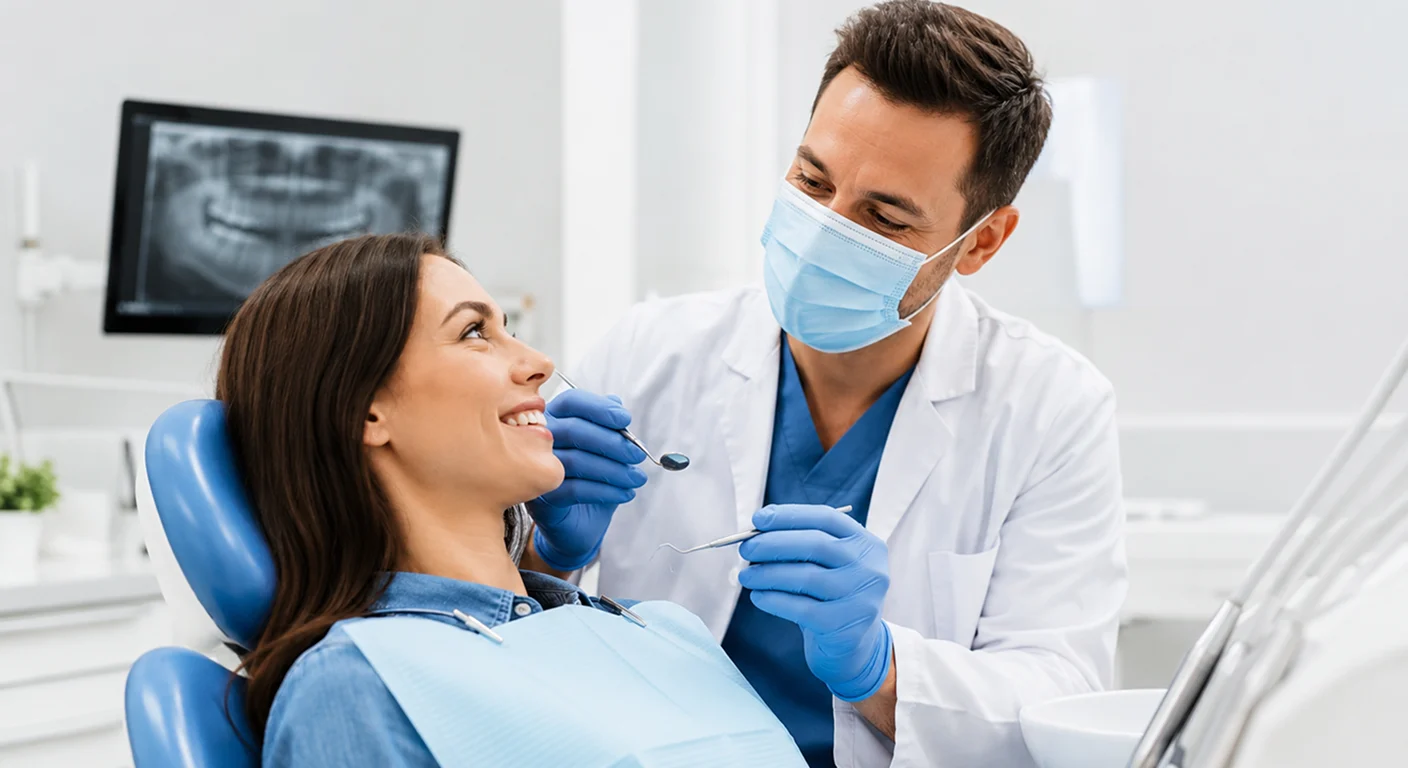
A professional dental cleaning may feel like a small item on the calendar, but it plays an important role in preventive dental care. Even with consistent brushing and flossing, buildup can collect in areas that are difficult to reach at home. A dental team can clean those areas while also checking for changes that may need attention.
If you are looking for a dental cleaning in Redondo Beach, CA, knowing what happens during the appointment can make the experience feel easier. From the initial exam to the final polish, each step is designed to help you better understand and care for your smile.
This article provides general educational information and is not a diagnosis or a substitute for personalized dental advice. A dentist or dental hygienist can recommend an appropriate cleaning schedule and treatment plan based on an examination.
Why Professional Dental Cleanings Matter
Daily brushing and flossing form the foundation of good oral hygiene. However, plaque can remain around the gumline, between crowded teeth, behind the lower front teeth, and near dental restorations. When deposits harden, a toothbrush and floss may no longer remove them effectively.
During a professional cleaning, a hygienist uses dental instruments to remove plaque and hardened buildup from tooth surfaces. The appointment also gives the dental team an opportunity to evaluate the gums, look for visible signs of dental concerns, and offer practical home-care guidance.
Preventive visits can be especially helpful for people with sensitive gums, dry mouth, braces, dental implants, crowns, bridges, or areas that are simply difficult to clean. The goal is not to judge anyone’s habits. It is to identify challenges and make daily care more manageable.
What Happens During a Routine Dental Cleaning?
The exact order may vary based on the office and the patient’s needs, but a routine cleaning usually includes several familiar steps.
Review of dental and medical information
The dental team may ask about recent health changes, medications, allergies, pregnancy, dental sensitivity, or concerns such as bleeding gums and tooth discomfort. Honest answers help the team adapt the visit to the patient’s needs.
This is also a good time to mention dental anxiety. A supportive team can explain each step, agree on a hand signal for breaks, or make other reasonable comfort adjustments.
Evaluation of the teeth and gums
A dental professional will examine the mouth and may assess the gums before cleaning begins. Depending on the patient’s history and current needs, the dentist may also recommend diagnostic images or a more comprehensive examination.
The exam helps determine whether a routine preventive cleaning is appropriate. If there are signs of gum disease or unusually heavy buildup, a different type of cleaning may be recommended.
Removal of plaque and hardened buildup
The hygienist carefully cleans around the teeth and gumline using hand instruments, powered instruments, or a combination of both. Patients may hear scraping sounds or feel vibration and water spray. These sensations are normal during many cleanings, although the patient should speak up if anything feels painful.
The amount of time needed depends on the condition of the teeth and gums, how long it has been since the last cleaning, and whether there are hard-to-reach areas or dental restorations.
Polishing and flossing
Polishing helps remove some surface stains and leaves the teeth feeling smooth. The hygienist may also floss between the teeth to clean remaining material and observe how the gums respond.
Professional polishing is not the same as teeth whitening. A cleaning addresses deposits and some external staining, while whitening is a separate cosmetic treatment intended to change tooth shade.
Personalized home-care recommendations
A helpful cleaning appointment should end with clear, realistic advice. The hygienist may demonstrate a brushing angle, suggest a different flossing method, or discuss tools for cleaning around braces, bridges, implants, or tightly spaced teeth.
Recommendations should reflect the individual rather than follow a one-size-fits-all routine. Someone with excellent gum health may need different support than a patient managing inflammation, dry mouth, or limited hand mobility.
Routine Cleaning vs. Deep Cleaning
The terms “regular cleaning” and “deep cleaning” are sometimes used interchangeably, but they refer to different forms of care.
A routine preventive cleaning generally focuses on deposits on the visible tooth surfaces and around the gumline. It is commonly recommended for patients whose gums do not show signs that require periodontal treatment.
A deep cleaning, often called scaling and root planing, is intended for patients diagnosed with gum disease. It addresses deposits below the gumline and may be completed in separate areas of the mouth. Local anesthetic may be used for comfort.
A patient should not choose between these options based only on price or preference. A dentist evaluates the gums, buildup, dental history, and other findings before recommending the appropriate service. If deep cleaning is suggested, patients can ask which findings led to the recommendation and what follow-up care may be needed.
How Often Should Teeth Be Professionally Cleaned?
There is no ideal schedule that applies to every person. Many patients receive cleanings at regular preventive visits, but the appropriate interval depends on gum health, cavity risk, home-care habits, medical considerations, tobacco use, previous dental treatment, and history of periodontal disease.
Patients with stable oral health may follow one schedule, while those who accumulate buildup quickly or need periodontal maintenance may benefit from more frequent care. The dentist should explain the recommended interval and adjust it as the patient’s needs change.
If it has been a long time since the last dental appointment, there is no need to feel embarrassed. The most useful next step is simply to schedule an evaluation. The dental team can assess the current condition and develop a manageable plan.
Will a Dental Cleaning Hurt?
Many routine cleanings cause little or no discomfort. However, sensitivity can vary. Inflamed gums, exposed root surfaces, heavy buildup, cavities, or a long gap between visits may make certain areas feel tender.
Patients should tell the hygienist about sensitivity before the cleaning starts and communicate throughout the appointment. The team may be able to adjust instrument settings, change techniques, use a topical numbing product when appropriate, or pause for short breaks.
Mild tenderness can sometimes occur after a cleaning, particularly when the gums were already irritated. Persistent pain, notable swelling, ongoing bleeding, or worsening symptoms should be discussed with a dental professional rather than assumed to be a normal reaction.
How to Prepare for a Dental Cleaning
A cleaning usually requires very little preparation, but a few simple steps can support a smoother visit:
- Bring an up-to-date medication list and insurance information, if applicable.
- Share changes in medical history, allergies, pregnancy, or recent procedures.
- Make a short list of dental concerns or questions.
- Tell the office in advance about significant dental anxiety or accessibility needs.
- Continue normal brushing and flossing unless the dental team gives different instructions.
- Arrive early enough to complete any necessary forms without feeling rushed.
Patients with a history of certain medical conditions or joint and heart procedures sometimes have questions about medication before dental care. They should not start antibiotics or alter prescribed medication on their own. The dentist and relevant medical clinician can provide individualized guidance.
What to Expect After the Appointment
Teeth often feel smoother and fresher after a routine cleaning. Some patients may notice brief gum tenderness or temperature sensitivity, especially if buildup was present near sensitive areas.
Unless the dental team provides specific restrictions, patients can generally return to their usual activities. If fluoride or another product is applied, the team may give temporary eating or drinking instructions. Those directions should be followed because products and application methods can differ.
At home, gentle brushing with a soft-bristled toothbrush and daily cleaning between the teeth can help maintain the results. If discomfort is strong, does not improve, or is accompanied by swelling or another concerning symptom, the dental office should be contacted.
How Much Does a Dental Cleaning Cost in Redondo Beach?
The cost of a cleaning can vary according to the type of cleaning needed, whether an examination or X-rays are required, insurance coverage, and the patient’s oral health. A routine preventive cleaning and periodontal treatment are different services, so their fees should not be compared as though they are identical.
Before the appointment, patients can ask the office for an estimate, whether insurance benefits can be checked, and which services are included. An estimate is useful, but the final recommendation may depend on examination findings. Patients without dental insurance can ask whether the practice offers self-pay options or other payment arrangements.
Choosing a Dental Cleaning in Redondo Beach, CA
Convenience matters, but the quality of communication matters too. A good dental team should listen to concerns, explain findings in understandable language, discuss comfort options, and provide space for questions.
When comparing local practices, patients may want to ask:
- Does the office provide both preventive cleanings and periodontal care?
- How does the team support patients with dental anxiety or sensitivity?
- Will recommended treatment and estimated costs be explained in advance?
- Can the office help verify dental insurance benefits?
- How are urgent concerns handled between preventive visits?
Catalina Dental provides cleaning and prevention services as part of its approach to general dental care in Redondo Beach. The practice also emphasizes regular checkups, patient comfort, and clear answers to dental questions.
Frequently Asked Questions
Can someone get a cleaning if their gums bleed?
Yes, but bleeding gums should be mentioned to the dental team. Bleeding may occur for several reasons, and an examination is needed to determine whether a routine cleaning or another form of care is appropriate. Patients should not avoid professional care solely because they feel embarrassed about bleeding.
Can a dental cleaning remove every stain?
A cleaning may reduce some surface staining caused by foods, drinks, or tobacco, but it will not necessarily change the natural color of the teeth or remove deeper discoloration. A dentist can explain whether whitening or another cosmetic option is suitable.
Is a dental exam the same as a cleaning?
No. A cleaning removes deposits from the teeth, while an exam evaluates the teeth, gums, bite, restorations, and other oral structures. They are often scheduled together, but they serve different purposes.
What if it has been several years since the last cleaning?
The first appointment will usually focus on evaluating the patient’s current needs. Depending on the amount of buildup and the condition of the gums, the dental team may recommend a routine cleaning, additional diagnostic steps, or periodontal care. A respectful dental office should focus on helping the patient move forward rather than criticizing the past.
Can children receive professional dental cleanings?
Yes. Professional cleanings can be part of children’s preventive dental visits. The dentist will recommend timing and services based on the child’s age, development, home care, and oral health needs.
Should a patient brush before a cleaning?
Patients may brush and floss as usual before the appointment. There is no need to brush aggressively or try to remove hardened buildup at home. Dental professionals have the appropriate tools to clean the teeth safely.
A Comfortable Step Toward Preventive Care
A professional cleaning is an opportunity to do more than leave with smoother teeth. It allows the dental team to monitor changes, answer questions, improve home-care techniques, and recommend care based on the individual’s needs.
For patients considering a dental cleaning in Redondo Beach, CA, Catalina Dental welcomes questions about preventive visits and patient comfort. The practice is located at 915 S Catalina Ave., Suite A, Redondo Beach, CA 90277. Contact the office to request an appointment or discuss what to expect during a cleaning.