
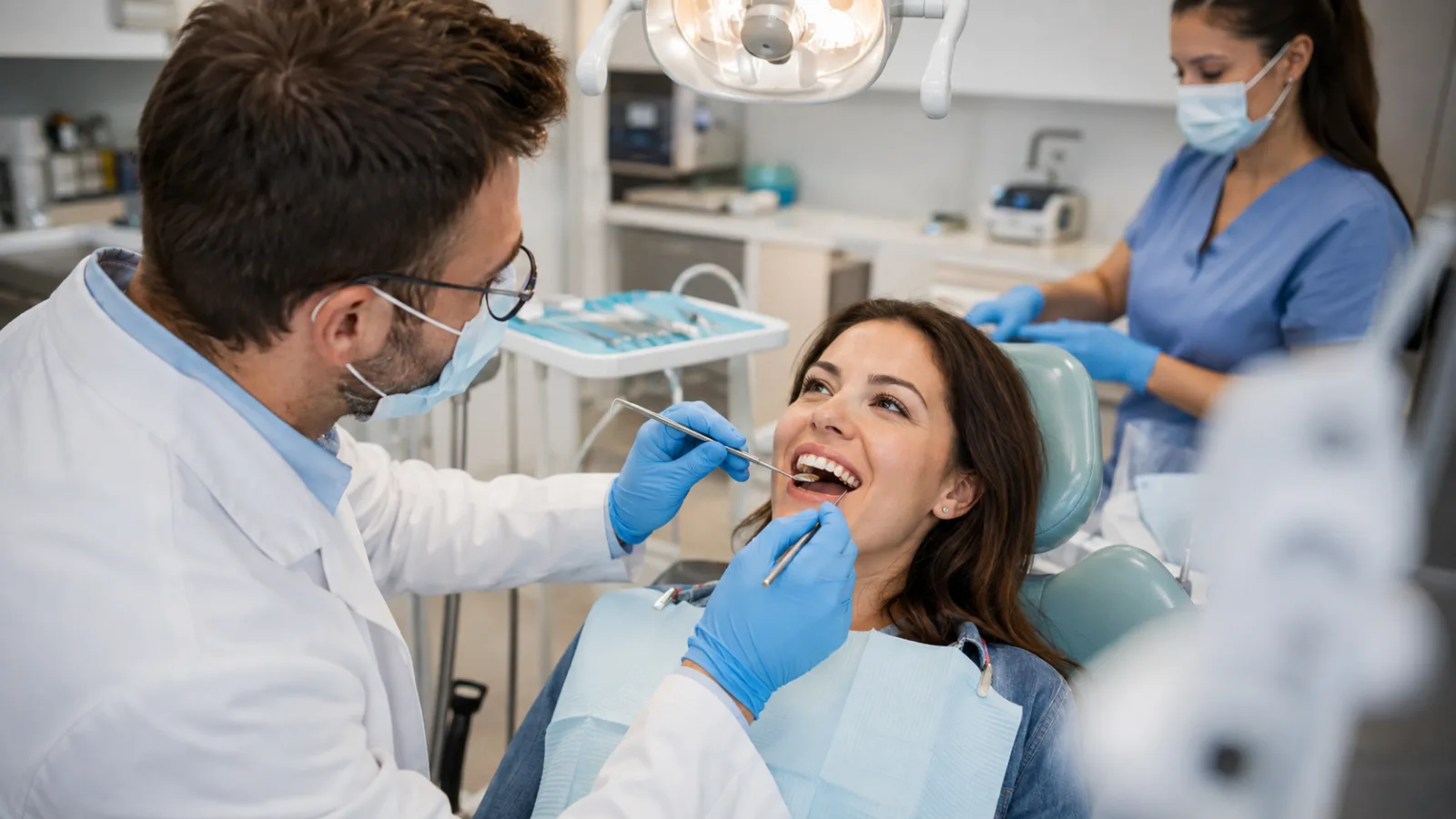
Most people want dental care to feel straightforward: understand what is happening, know what the options are, and receive treatment in a comfortable setting. General dentistry brings those needs together by providing routine prevention, early evaluation, and treatment for many common dental concerns.
For patients exploring general dentistry in Redondo Beach, CA, knowing what to expect can make it easier to schedule care with confidence. Whether someone is due for a routine cleaning, has noticed a sensitive tooth, or wants help getting back on track after missing several visits, a general dentist is often the right place to begin.
This article provides general educational information and is not a diagnosis or a substitute for personalized dental advice. A dentist should evaluate symptoms, recommend treatment, and explain individual risks and costs.
What Does General Dentistry Include?
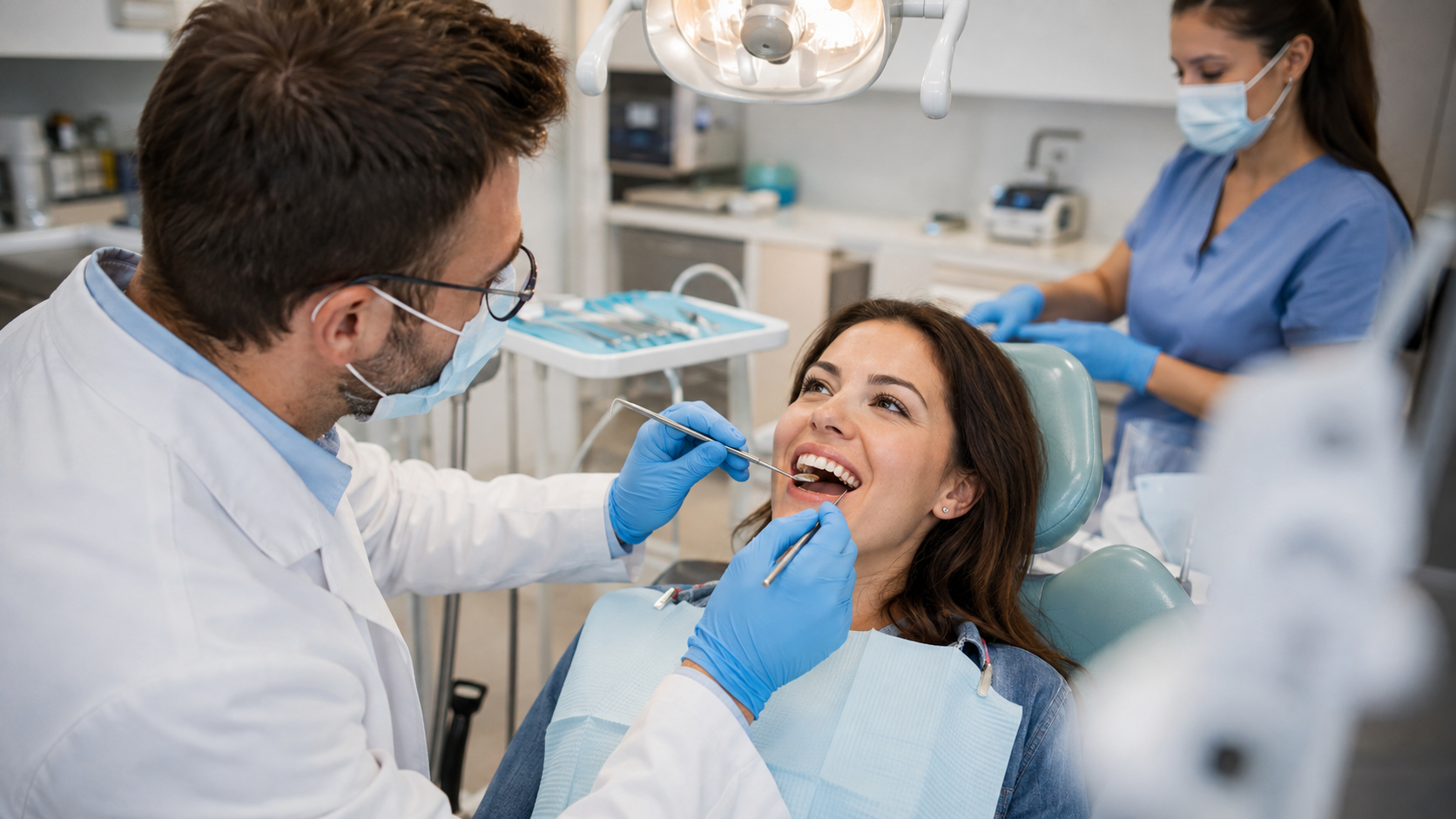
General dentistry focuses on maintaining the health and function of the teeth, gums, bite, and surrounding structures. It covers preventive care as well as the evaluation and treatment of everyday dental problems.
A general dentist also serves as a central point of contact. When a concern requires care from a specialist, the dentist can explain why and coordinate an appropriate referral.
Preventive exams and cleanings
Routine dental visits give the care team an opportunity to examine areas that may be difficult to assess at home. During an exam, the dentist may evaluate the teeth, existing dental work, gums, bite, and other oral tissues. Dental X-rays may be recommended when they are needed to see areas that are not visible during the clinical examination.
A professional cleaning removes buildup from the teeth and provides an opportunity to discuss brushing, flossing, sensitivity, dry mouth, or other day-to-day concerns. The goal is not simply to polish the teeth. It is to help identify changes early and create a preventive plan suited to the patient.
Fillings and restorative care
If a tooth has decay or a small area of damage, a filling may be recommended. The dentist removes the affected portion and restores the area with an appropriate material. The choice of material and treatment approach depends on factors such as the tooth’s location, the size of the problem, appearance, bite forces, and overall dental health.
Some teeth need more than a filling. Depending on the examination, a dentist may discuss a crown, root canal treatment, extraction, or another restorative option. A clear treatment conversation should cover the reason for the recommendation, available alternatives, expected benefits, possible risks, and likely costs.
Evaluating dental symptoms
General dentists also assess concerns such as tooth sensitivity, discomfort while chewing, a chipped tooth, bleeding gums, persistent bad breath, or changes around an older filling or crown. These symptoms can have different causes, so an in-person evaluation is important.
Severe pain, facial swelling, fever, uncontrolled bleeding, or dental trauma should not be saved for a routine checkup. Patients experiencing urgent symptoms should contact a dental professional promptly for instructions. Emergency medical care may be appropriate when symptoms affect breathing or swallowing or appear life-threatening.
What to Expect at a General Dentistry Visit
A well-organized visit usually begins with a conversation. The dental team may ask about current concerns, medications, allergies, medical conditions, previous dental experiences, and goals for the appointment. Sharing this information helps the dentist plan care safely and understand what matters most to the patient.
The examination
The dentist typically checks the teeth and gums and may assess the bite, jaw, and existing restorations. The exact steps depend on whether the appointment is a routine visit, an urgent evaluation, or a consultation for a specific concern.
If diagnostic images are appropriate, the team should explain what they are intended to evaluate. Patients can also ask to see the images and have the findings described in plain language.
The treatment discussion
After the evaluation, the dentist should explain what was found and whether anything needs attention. Not every concern requires treatment on the same day. Some findings may simply need monitoring, while others may benefit from prompt care.
A useful treatment discussion answers several practical questions:
- What was found, and where is it located?
- Why is treatment being recommended?
- What options are available?
- What could happen if treatment is delayed?
- How many appointments may be involved?
- What costs and insurance considerations should be reviewed?
Patients should feel comfortable asking for clarification before agreeing to care. Dental terms can be unfamiliar, and a good explanation should make the recommendation easier—not harder—to understand.
How Often Should Someone Visit a General Dentist?
There is no single schedule that fits every patient. Visit frequency may vary based on oral health, previous dental treatment, gum condition, medical history, home care, and the likelihood of developing new problems.
Someone with stable oral health may have a different recall schedule from a person receiving active gum care or monitoring several restorations. The dentist and hygienist can recommend an interval after evaluating the individual’s needs.
If it has been a long time since the last visit, there is no need to feel embarrassed. Dental teams routinely see patients who have delayed care because of anxiety, finances, a busy schedule, or a difficult previous experience. The first step is simply an assessment and a conversation about priorities.
Comfort Matters in Modern Dental Care
Dental anxiety is common, and it can range from mild nervousness to a strong fear that makes scheduling difficult. Patients can tell the office about these concerns when booking rather than waiting until treatment begins.
Simple communication can make an important difference. A patient might request a slower explanation, agree on a hand signal for breaks, ask what sensations to expect, or bring headphones if the office allows them. The dental team can also discuss available comfort measures based on the planned procedure and the patient’s health history.
Catalina Dental states that its team uses current dental technology and techniques while working to make visits comfortable and stress-free. Its listed general dentistry services include comprehensive examinations, cleanings, fillings, and extractions.
Technology can support diagnosis and treatment planning, but communication remains just as important. Patients should understand what a tool or image shows and how it affects the recommended next step.
How Preventive Care Supports Long-Term Oral Health
Preventive dentistry combines professional care with consistent habits at home. A dentist or hygienist can demonstrate techniques based on a patient’s mouth, restorations, dexterity, and areas where buildup tends to collect.
Helpful habits may include:
- Brushing thoroughly with a fluoride toothpaste according to professional guidance
- Cleaning between the teeth with floss or another recommended tool
- Replacing a worn toothbrush or brush head
- Limiting frequent exposure to sugary or acidic foods and drinks
- Using protective equipment during activities that could injure the teeth
- Reporting new discomfort, swelling, or changes rather than waiting for the next routine visit
Home care cannot replace a professional examination, and dental treatment cannot replace daily hygiene. The two work together. Small, realistic improvements are often easier to maintain than trying to change every habit at once.
Choosing a General Dentist in Redondo Beach
A convenient location matters, but it is only one part of choosing a dental home. Patients may also want to consider the clarity of communication, the range of services, the approach to comfort, and how the office handles treatment estimates and scheduling.
Before the first visit, it can help to ask:
- Is the office accepting new patients?
- What information should be brought to the appointment?
- How are dental insurance benefits verified?
- Will the office provide a written estimate before treatment?
- How does the team support patients with dental anxiety?
- What happens if specialist care is needed?
Insurance coverage is not the same as clinical necessity. Benefits, deductibles, annual limits, and exclusions vary by plan. Patients should request an estimate and confirm important coverage details with both the dental office and insurance provider. Final costs can change if the examination reveals needs that were not visible beforehand.
Frequently Asked Questions
What is the difference between general and family dentistry?
The terms often overlap. General dentistry describes broad preventive and restorative dental care, while family dentistry usually emphasizes treating multiple age groups within the same practice. Patients should review the office’s specific services and ask whether it treats their age group and dental needs.
Can a general dentist treat a toothache?
Yes, a general dentist can evaluate many common causes of dental discomfort and recommend an appropriate next step. Treatment depends on the diagnosis. Some cases can be managed in the general office, while others may require referral to a specialist.
Will every first visit include a cleaning?
Not necessarily. The dentist may need to complete an examination and determine which type of cleaning or treatment is appropriate. An urgent visit focused on pain or swelling may also follow a different plan. The office can explain what is likely to happen when the appointment is scheduled.
Are dental X-rays needed at every visit?
No single imaging schedule applies to everyone. A dentist considers the patient’s history, current findings, symptoms, previous images, and individual risk factors before recommending X-rays.
What should a nervous patient tell the dental team?
The patient can describe what feels most difficult, such as sounds, needles, discomfort, uncertainty, or a previous negative experience. This gives the team a chance to explain each step, plan breaks, and discuss suitable comfort options.
What should someone bring to a first appointment?
The office may request identification, insurance information, a medication list, relevant medical details, and available dental records. Patients should also bring questions and mention any symptoms or treatment priorities.
Start With a Conversation About Your Smile
General dentistry offers a practical starting point for preventive care, new symptoms, and ongoing dental treatment. The right plan should reflect the patient’s current health, concerns, comfort level, and goals.
Catalina Dental provides general and family dental care at 915 S Catalina Ave., Suite A, Redondo Beach, CA 90277. Patients who are due for an exam or want to discuss a dental concern can request an appointment or call (424) 799-3522. A consultation gives the dental team an opportunity to evaluate individual needs, answer questions, and recommend appropriate next steps.